Getting to know the Burrunan dolphins
14 October 2026
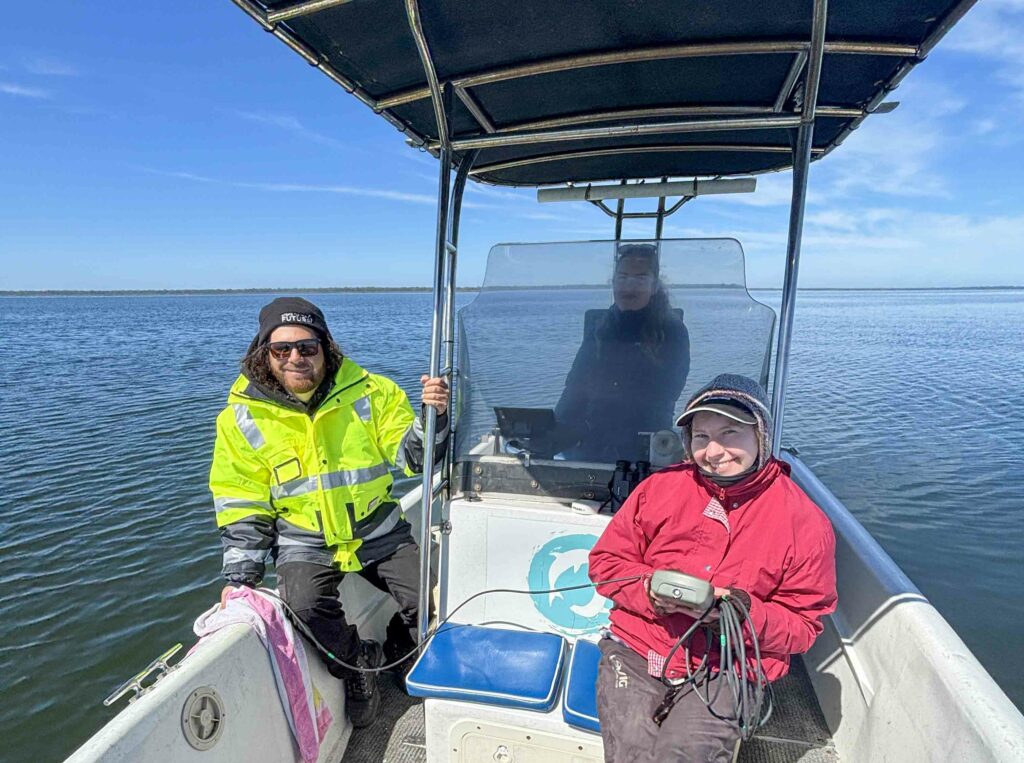
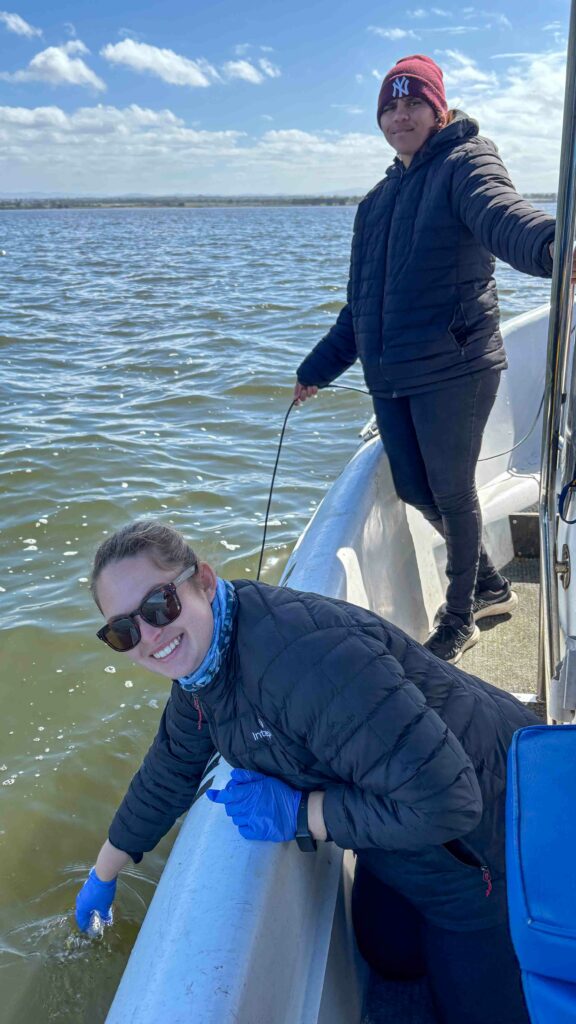
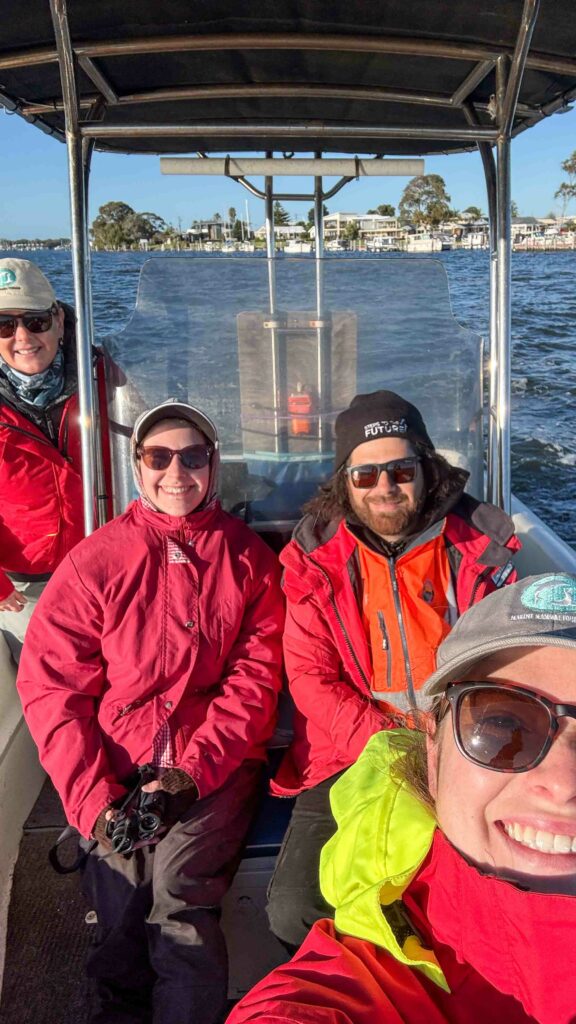
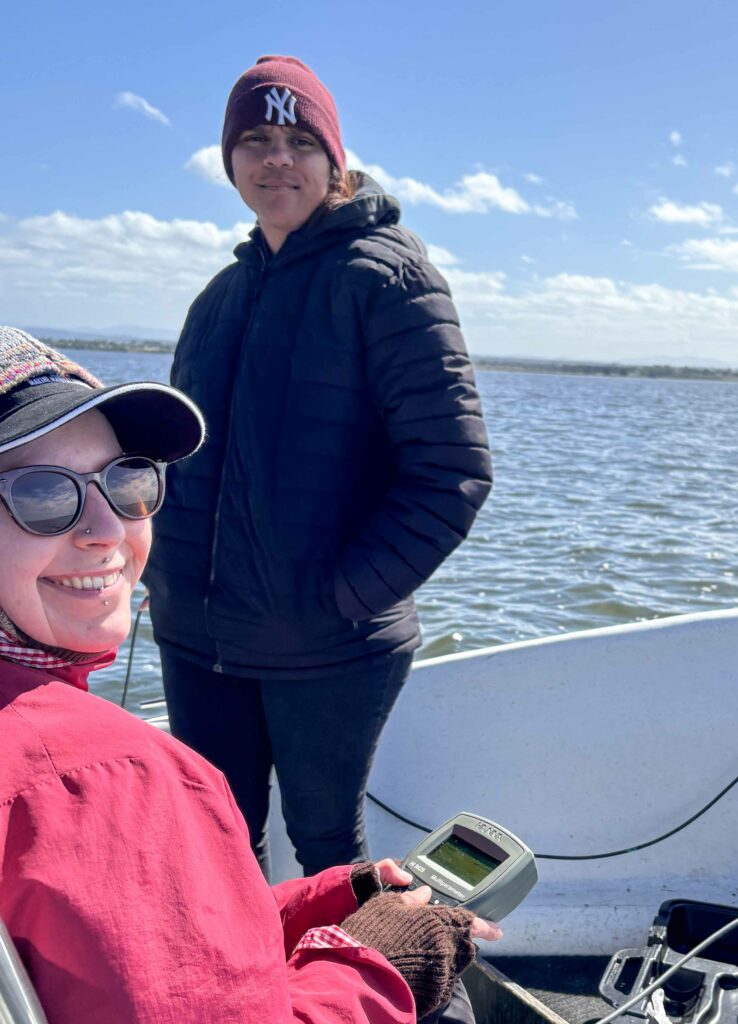
Last week, GLaWAC Rangers Shak Tungai and Deon Baxter got out on the water with our friends at the Marine Mammal Foundation to check in on a very special resident of the Gippsland Lakes – the critically endangered Burrunan dolphin.
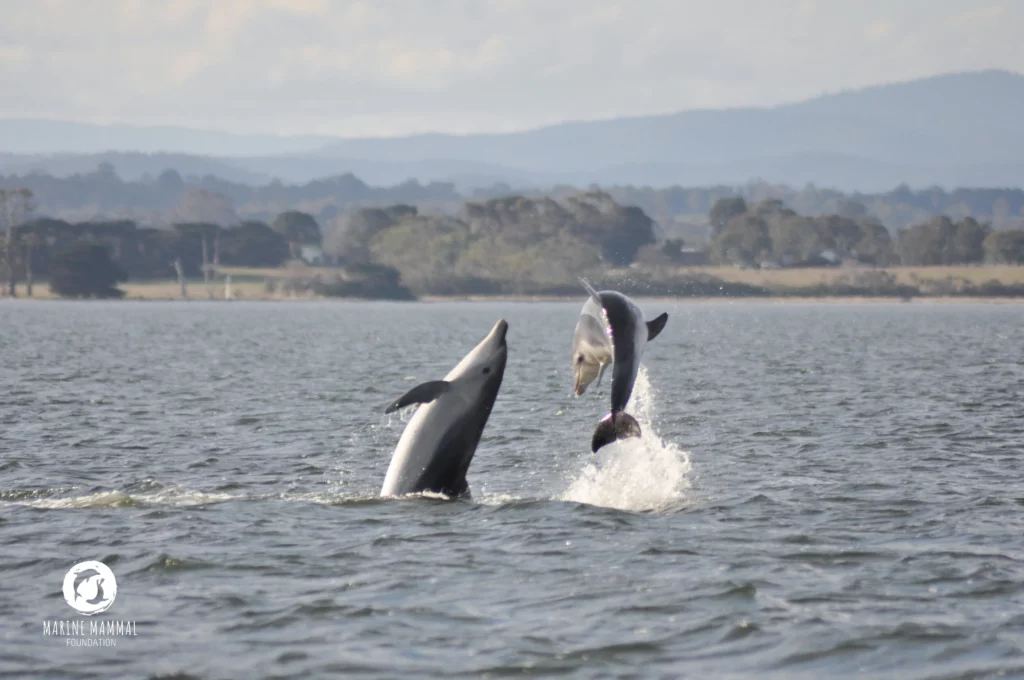
Victoria has two resident populations of the Burrunan dolphins – one in Port Phillip Bay and one here in the Gippsland Lakes.
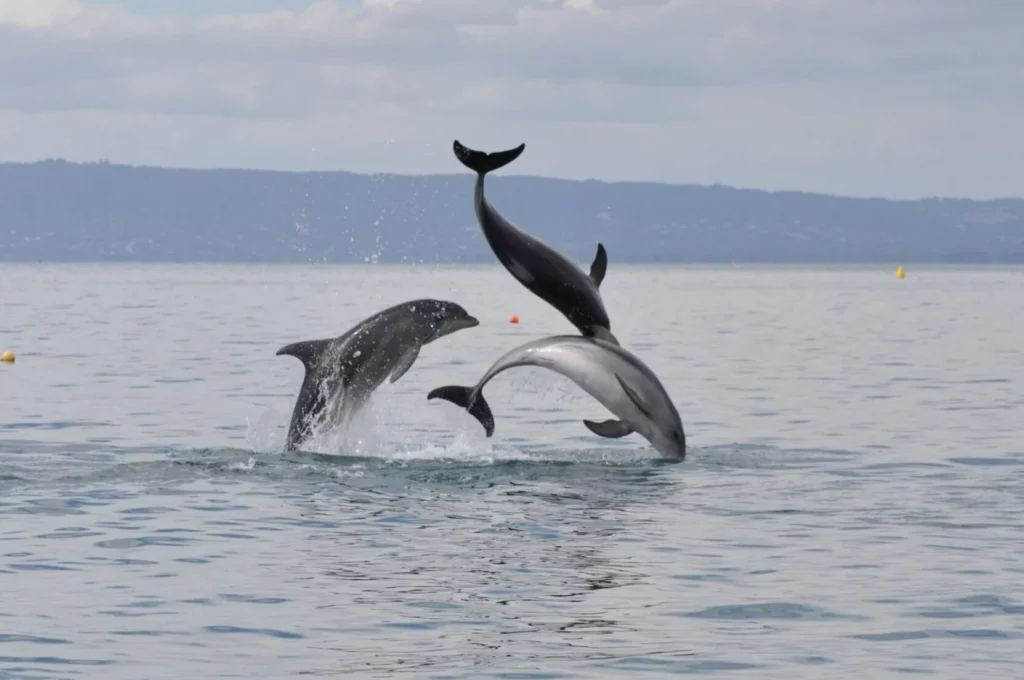
Just a few years ago, the resident population in the lakes was increasing in size. Sadly, fires, flood and a prolonged LaNina weather system between 2020 and 2023 took its toll. The increased rainfall and flooding caused salinity levels in the lakes to drop, leaving the dolphins vulnerable to fresh water skin disease.
Today, just 35 remain.
With numbers so low, ongoing monitoring matters more than ever.
The team headed out to survey the dolphins and photograph them – because each dolphin has a unique dorsal fin that can be used to identify individuals. The hundreds of photos taken last week will be carefully catalogued, building a clearer picture of who is who and how the population is changing over time.
The team also had some wonderful news to share – seven new mums, each with a calf by their side. Calves can stay with their mothers for up to five years, so tracking where they go helps identify the areas that matter most for nursing, feeding and finding refuge.
“We learnt a lot about dolphin behaviour,” said Deon. “Through watching how they move you can often tell what they are doing – whether they are feeding, or resting, or hunting or playing.”
The way dolphins move through the water is always linked to a larger behaviour. For example, surging – travelling with power and creating their own bow waves – is linked to fast travel or active feeding. Sharking describes a side-to-side weaving motion associated with feeding and foraging. And milling is when dolphins move slowly or linger in one spot, usually resting.
The team also got to enjoy some entertaining calf behaviour. Newborn dolphins are still learning how to surface and breathe, and they can be a little less graceful than their mums.
“There was one cheeky little calf,” said Deon. “The mum would surface to breathe and then bang – the little one would come flying over the top of her. It was great to watch.”
These moments are more than just lovely. They help build a better understanding of dolphin behaviour and the places these animals depend on.
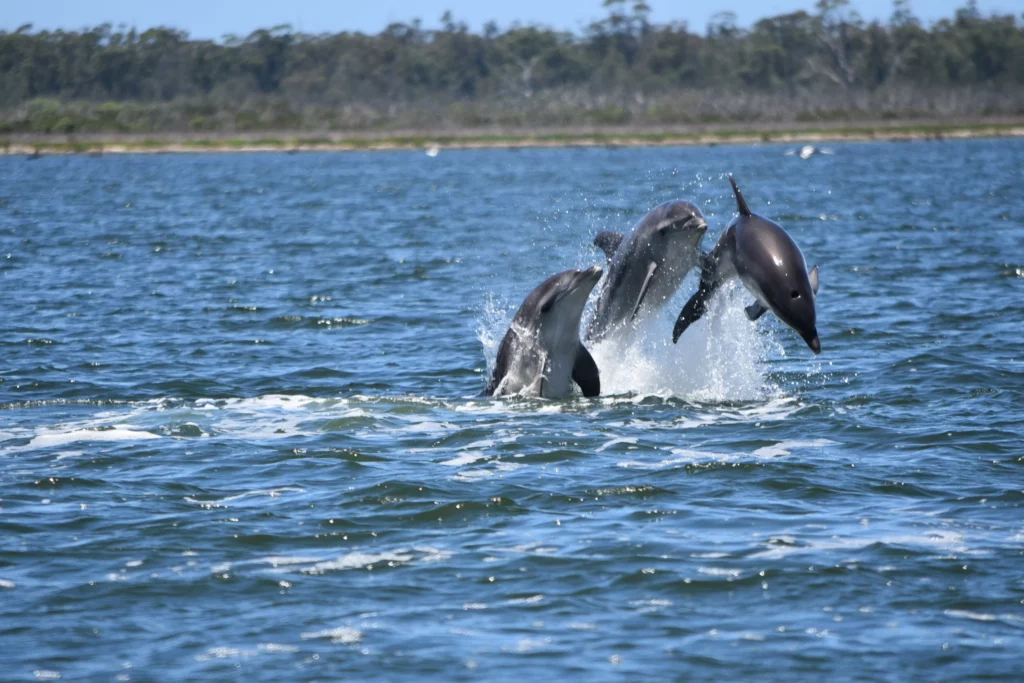
Burrunan dolphins are a precious part of Country, and with just 35 remaining in the Gippsland Lakes, every survey trip counts.
Thank you to Dr Kate Robb, Hayley and Becky from the Marine Mammal Foundation for sharing their knowledge and working with our Rangers to care for the dolphins that call the Gippsland Lakes home. We always learn something new out there!
All photos courtesy of the Marine Mammal Foundation.