Native Title Business
Country, Culture and Community – our journey continues
In 2026 all Gunai/Kurnai people are being asked to make a decision about whether to initiate a new Native Title claim for Yiruk (Wilsons Prom) and West Gippsland.
In August and September GLaWAC is hosting information sessions across Country for mob to ask questions and share their feedback about this important matter.
There will be a Full Group Meeting for all Gunai/Kurnai Native Title Holders in October where decisions about this Native Title claim will be made.
Gunai/Kurnai Full Group Authorisation Meetings
Saturday, Oct. 17, 10am – 4pm (registration 9-10am)
Sunday, Oct. 18, 10am – 2pm (registration 9-10am)
Gippsland Performing Arts Centre – Little Theatre, Traralgon
Morning tea will be available from 9:15am – 10am each day
Register for the Full Group Meeting
Information Sessions Held in August and September
Warragul – Goods Shed
Sat. Aug. 8, 9am – 11am
In-person only
Kalimna (GLaWAC)
Sat. Aug. 15, 9am – 11am
In-person and online
Bairnsdale – The Hub
Tues. Aug. 18, 1pm- 3pm
In-person only
Sale – Ramahyuck Board Room
Thurs. Aug. 20, 12pm – 2pm
In-person and online
Morwell (GLaWAC Community Hub)
Tues. Sept. 1 , 5pm – 7pm
In-person and online
Melbourne – Aborigines Advancement League
Wed. Sept. 2, 5pm – 7pm
In-person and online
Frequently Asked Questions
What’s the difference between Native Title, Treaty and the Gunaikurnai RSA
Native Title is the recognition in Australian law that Indigenous people continue to hold rights and interests in their lands and waters that come from the traditional laws and customs that existed before Europeans arrived, and which have survived to the present day.
A Recognition and Settlement Agreement (RSA) is an agreement between the Victorian Government and Traditional Owners to recognise their relationship to land and provide for certain rights and interests in Crown land, and other benefits.
A RSA can be an alternative to Native Title, but some Traditional Owners, such as the Gunaikurnai, have both.
For Gunai/Kurnai people ‘Native Title holders’ for the purposes of the 2010 Gunai/Kurnai native title determination, and ‘Traditional Owner’ or ‘Traditional Owner Group’ for the purposes of the RSA all mean the same thing: Gunai/Kurnai People, being people who are Gunai, Kurnai or Gunai/Kurnai descended from one of the Gunai/Kurnai apical ancestors listed in the 2010 Gunai/Kurnai Native Title Determination.
A treaty is an agreement between two or more nations. Treaties between First Peoples and governments have been signed in many countries, like New Zealand and Canada.
In Victoria, there is a Statewide Treaty already in place. There is also another process where Traditional Owner Groups (nations) can negotiate Traditional Owner Treaty agreements with the State Government.
What’s all this about – why are we having these meetings now?
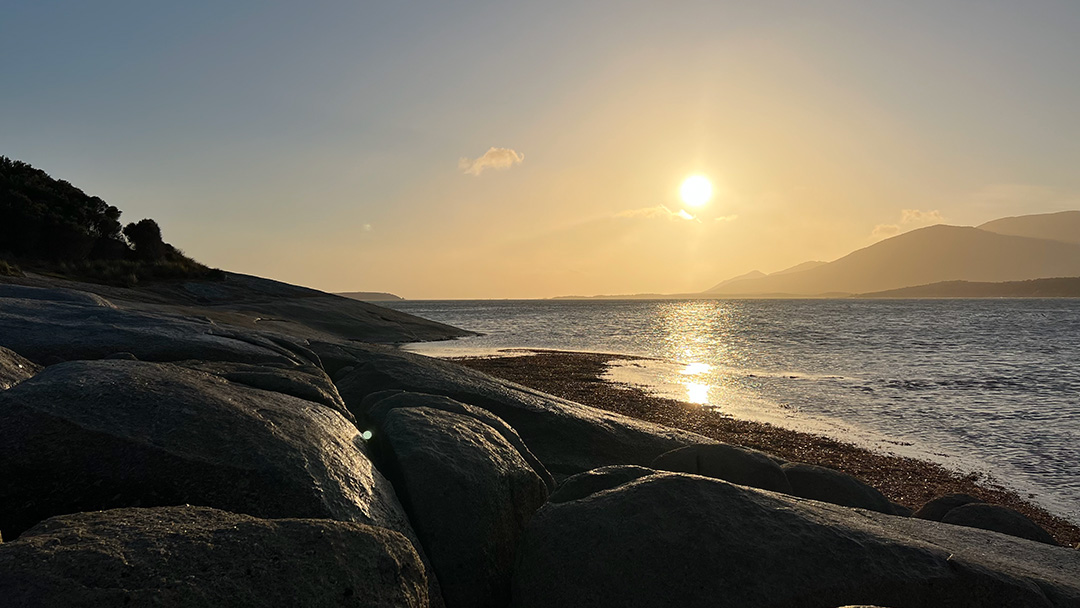
Gunai/Kurnai hold strong connections to Yiruk (Wilsons Promontory) and have a long history of association with and caring for country.
The Gunai/Kurnai name for this area, Yiruk, means rocky place. The Gunai/Kurnai spiritual deities, Loohern and Loohern Tula, roamed the mountains and valleys in Yiruk, and we pay our respects to the deities.
Gunai/Kurnai continue to assert their rights and interests over this area and lodged a native title determination application in the Federal Court on 9 December 2014 under the Native Title Act 1993 (Cth).
The application included the land and waters west of the Gunai/Kurnai determination area to the Tarwin West River, including Wilsons Promontory and Cape Liptrap (the claim area).
In September 2019, Gunaikurnai decided to withdraw from the current claim that was to be heard in the Federal Court to focus on discussion and mediation with Bunurong-Boon Wurrung communities.
Pursuing a native title determination application for Wilsons Promontory is a complex and ongoing matter, and GLaWAC will continue to work with other Traditional Owners to reach an agreement for this area of land.
When do we start talking about what our families and community want from Treaty?
After a Traditional Owner Group gets on the Treaty Negotiations Register, the Treaty Authority starts yarns to help everyone come together and create a First Peoples’ Treaty Delegation.
GLaWAC can assist with this process too – for example, by setting up lots of yarns to hear what Gunai/Kurnai people’s aspirations are for a Gunaikurnai Nation Treaty.
But the first thing we need to sort out are the steps to be able to get on the Treaty Negotiations Register so the journey can officially start.
That means, identifying and agreeing on the Country (the area of land and waters) that a future Gunaikurnai Treaty agreement might cover, and how to select representatives to participate in future Treaty agreement negotiations.
What about Far East Gippsland?
Preparing for native title claims and getting on the Treaty Negotiations Register is a lot of work.
Right now the focus is whether Gunai/Kurnai want to get on the Treaty Negotiations Register and authorise a Native Title claim for Yiruk (Wilsons Prom) and West Gippsland.
In 2027 we will start discussions with Gunai/Kurnai people and research about a possible new claim to secure Gunai/Kurnai Native Title rights and interests in parts of Far East Gippsland.
Why is GLaWAC coordinating these meetings? It’s Gunai/Kurnai business.
GLaWAC is the Prescribed Body Corporate (PBC), Registered Native Title Body Corporate (RNTBC), Traditional Owner Group Entity (TOGE) and Registered Aboriginal Party (RAP) that represents the families of the five clan groups of the Gunai/Kurnai people.
The legal frameworks that enable our mob to have our traditional laws and customs recognised, protect our culture and build our nation are complex.
Preparing for a new native title claim and preparing to start the Gunaikurnai Nation Treaty journey costs a lot of money. As the community’s Corporation, GLaWAC is getting things started.
If a new Native Title claim is started, the Applicant (who will be selected at the authorisation meeting to represent the claim group) will take the lead and GLaWAC will step back to providing support.
How will all this Native Title and Treaty work impact our customary neighbours?
Gunai/Kurnai and GLaWAC respect due process in all matters linked to Native Title, Treaty, Traditional Owner settlement agreements, and the Registered Aboriginal Party process.
The Gunai/Kurnai are aware of various actions happening by neighbouring groups to determine the right people to speak for Country. GLaWAC is prepared to work respectfully and collaboratively to determine these matters while understanding the difficulty created by the historical dispossession of mobs from their traditional lands.
The Gunai/Kurnai will continue to assert their rights and interests over our traditional lands. If groups wish to pursue their own process that the Gunai/Kurnai feel undermines our rights and interests, GLaWAC will respond to protect the unfinished business of the Gunai/Kurnai.
Until formal applications go through the established processes, the Gunai/Kurnai do not support any claims, maps or materials generated by neighbouring groups, only their rights to progress these conversations.
The Gunai/Kurnai will work respectfully and collaboratively with our neighbouring mobs to clarify who the right people to speak for Country are under the rules of the Native Title Act, the Traditional Owner Settlement Act, the Registered Aboriginal Party registration process and Treaty processes.
What happens if we say no to a proposed Native Title claim for Yiruk (Wilsons Promontory) and West Gippsland?
Authorising a new Native Title claim does not mean every individual Native Title holder agrees.
It’s about agreement by the majority of the full group. If the majority of Gunai/Kurnai Native Title holders say no, the process of preparing for a new Native Title claim will stop.
However, Gunai/Kurnai’s customary neighbours have already started Native Title claims for areas that include Yiruk and West Gippsland.
Other new Native Title claims may soon start in Far East Gippsland.
The way for Gunai/Kurnai people to secure and protect their Native Title rights in these areas of Country, including through negotiating with other Native Title applicant groups, is to authorise a claim.
What if I don’t understand all the legal language, is there a plain-English version?
GLaWAC will be hosting numerous drop-in sessions and online sessions so that everyone can learn and ask questions.
Who is funding all this work?
Initiating and running native title claims is expensive, as will be doing the groundwork and steps required for a Gunaikurnai Nation Treaty.
For Native Title, once a claim is started, there is some funding available to assist the claim group run their case and negotiate with their customary neighbours.
However, a lot of work has to be done before a claim can be started. GLaWAC has engaged lawyers and experts to prepare for a new Native Title claim.
Right now, GLaWAC is funding this work on behalf of all Gunaikurnai people. GLaWAC was set up by Gunai/Kurnai Elders who fought long and hard for Gunai/Kurnai Native Title on behalf of the whole community.
GLaWAC is now investing in the next stage of that journey, to ensure Gunai/Kurnai Native Title rights and interests in other areas of Gunai/Kurnai Country are properly recognised and respected.
For the Traditional Owner Treaty process, the Victorian Self-Determination Fund provides financial support for Traditional Owner Groups to have the yarns and do all the steps necessary in their Treaty journey.
GLaWAC has secured funding from the Self-Determination Fund to support these yarns and ultimately the full group meeting planned in October.
More funding from the Self-Determination Fund will be available if Gunai/Kurnai decides to move forward in the Traditional Owner Treaty journey.
If you have any questions, or just want more information about any of these matters, please reach out to us at GLaWAC using this contact form
As a Gunaikurnai owned and controlled Aboriginal and Torres Strait Islander corporation registered under the Corporations (Aboriginal and Torres Strait Islander) Act 2006 (Cth), Gunaikurnai Land and Waters Aboriginal Corporation (GLaWAC) collects your personal information in order to carry out its functions.
These functions include as the Prescribed Body Corporate of the Gunaikurnai people in accordance with the Native Title Act 1993 (Cth), a Registered Aboriginal Party under the Aboriginal Heritage Act 2006 (Vic) and the Gunaikurnai Traditional Owner Group Entity under the Traditional Owner Settlement Act 2010 (Vic).
GLaWAC is required by law to collect your personal information to carry out its functions and to contact you about matters that may affect Gunaikurnai rights and interests.
GLaWAC will not share your personal information with any other person or organisation unless it is required to do so by law or otherwise in accordance with its Privacy Policy.
If you do not provide us this information, GLaWAC may not be able to meet its legal obligations, and you may not receive important information about Gunaikurnai rights and interests.
If you have any questions about how your personal information will be handled or would like to gain access to your personal information, you can contact GLaWAC on (03) 5152 5100 or admin@glawac.com.au.