Pookila finds some friends
27 January 2026
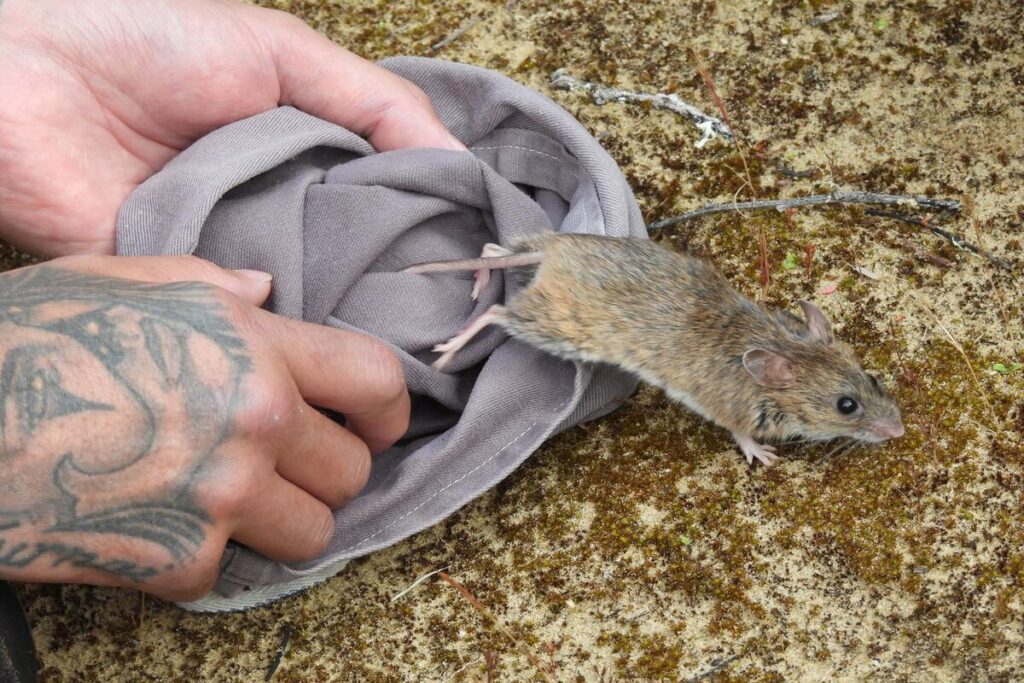
Photo: Kerri Duncan (ZAA)
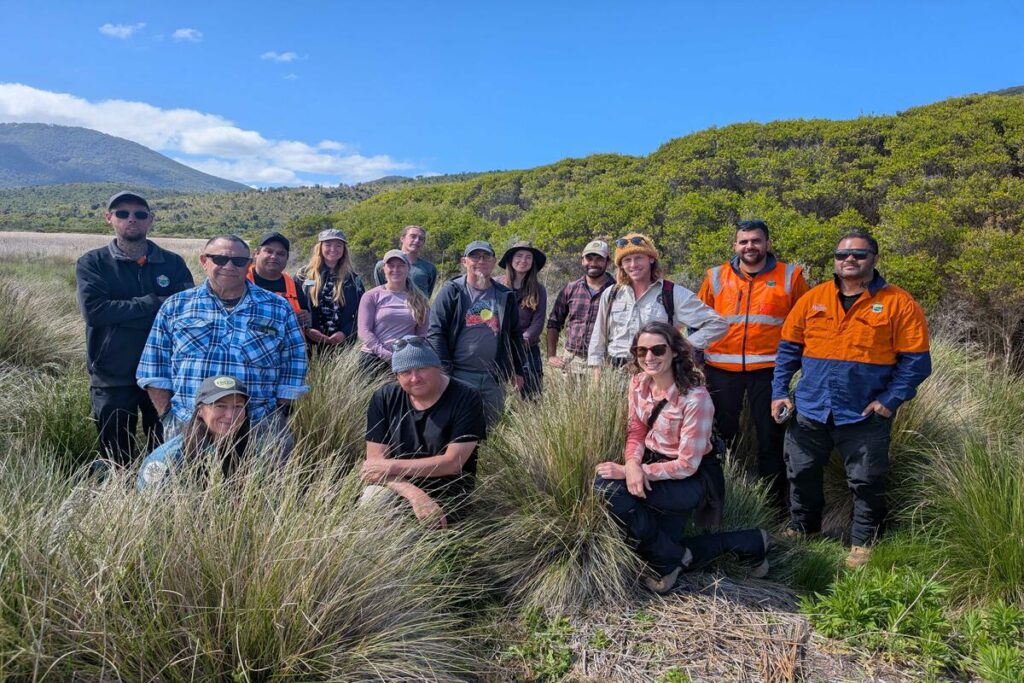
Photo: Lisa Tuthill, (ZAA)
The tiny Pookila was once abundant. Over thousands of years, this clever little creature learnt to evade predatory birds by moving slowly and quietly through the undergrowth. Sadly, that strategy doesn’t work against feral cats and foxes.
As a result, the Pookila – also known as the New Holland Mouse – is now listed as vulnerable and is disappearing from places where it once thrived. Drought, climate change, habitat loss and bushfire have also taken their toll. But GLaWAC are part of an initiative working to turn that around.
Late last year On Country Rangers Rob, Kevin, Kobi and Anthony headed to Wilsons Promontory for a three-day workshop. The program combined hands-on fieldwork and on-Country demonstrations with presentations from people deeply involved in Pookila recovery.
“We’ve been working with the Pookila for a while now,” said On Country Ranger Coordinator Rob Baxter. “We’ve collected data, sampled DNA, scanned microchips, and nursed, weighed and released them safely back home. This workshop really built on that experience. We learnt new ways to find them, handle them and care for them.”
The workshop brought together representatives from Bunurong Land Council Aboriginal Corporation, Boon Wurrung Land and Sea Council, Zoo and Aquarium Association Australasia (ZAA), the National Pookila Recovery Team, Zoos Victoria, Parks Victoria and DEECA. Huge thanks go out to ZAA for bringing everyone together and making it happen – with vital support from the Australian Government’s Saving Native Species Program.
What makes this initiative so powerful is the mix of cultural, scientific and practical expertise. Working in partnership brings knowledge, resources and specialist skills together, strengthening long-term care for Country in ways no single organisation could achieve on its own. Everyone learns. Everyone benefits.
“It was wonderful to witness the passion of the specialists who run these programs – they really care for these animals and understand them,” Rob continued. “Seeing that gives us confidence. The more we understand the smaller creatures and their role in the ecosystem, the deeper our connection to Country becomes.”
Once surviving by moving quietly through the undergrowth, Pookila now has a growing network of people moving just as carefully to support its return.