Reading the Cultural Landscape
21 October 2026
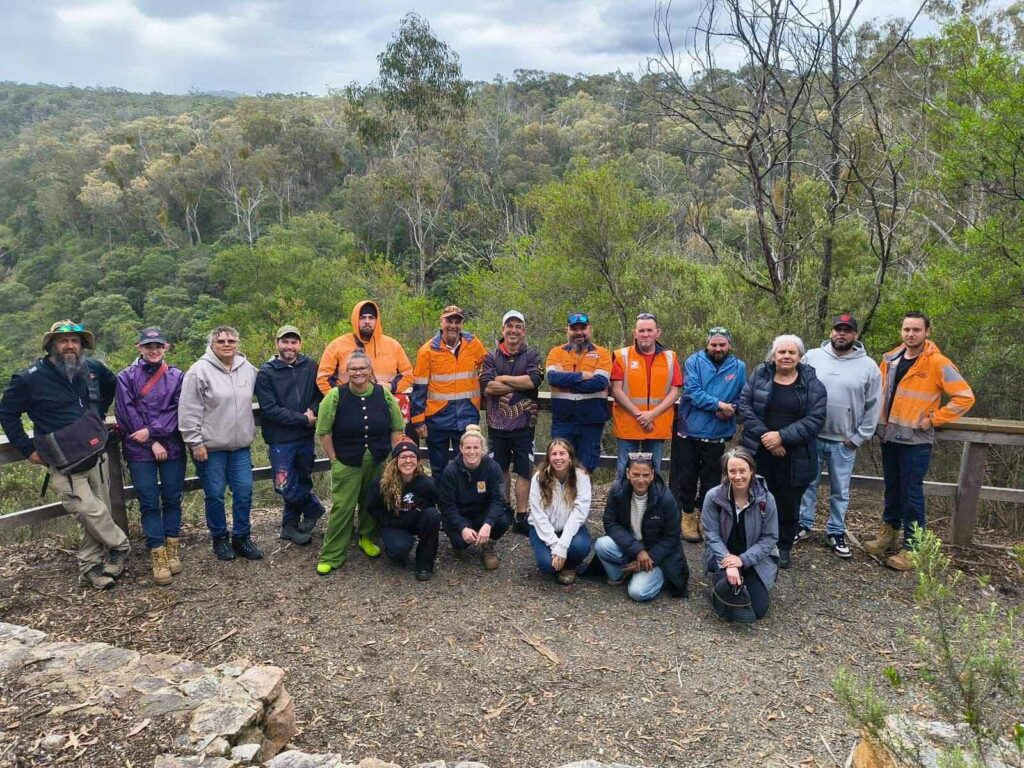
“We’re always learning,” says GLaWAC’s On Country Ranger Coordinator Rob Baxter. “Even though this is our Country, when you have the opportunity to show people around who aren’t from here, it helps you see things differently.”
Last week, Rob had the chance to do just that when fellow students in the nationally accredited Certificate IV in Aboriginal Cultural Heritage Management came to Gunaikurnai Country from all over Victoria.
“I feel privileged,” he said. “It’s been an honour to host this gathering here and to present Gunaikurnai Country to mobs from all over.”
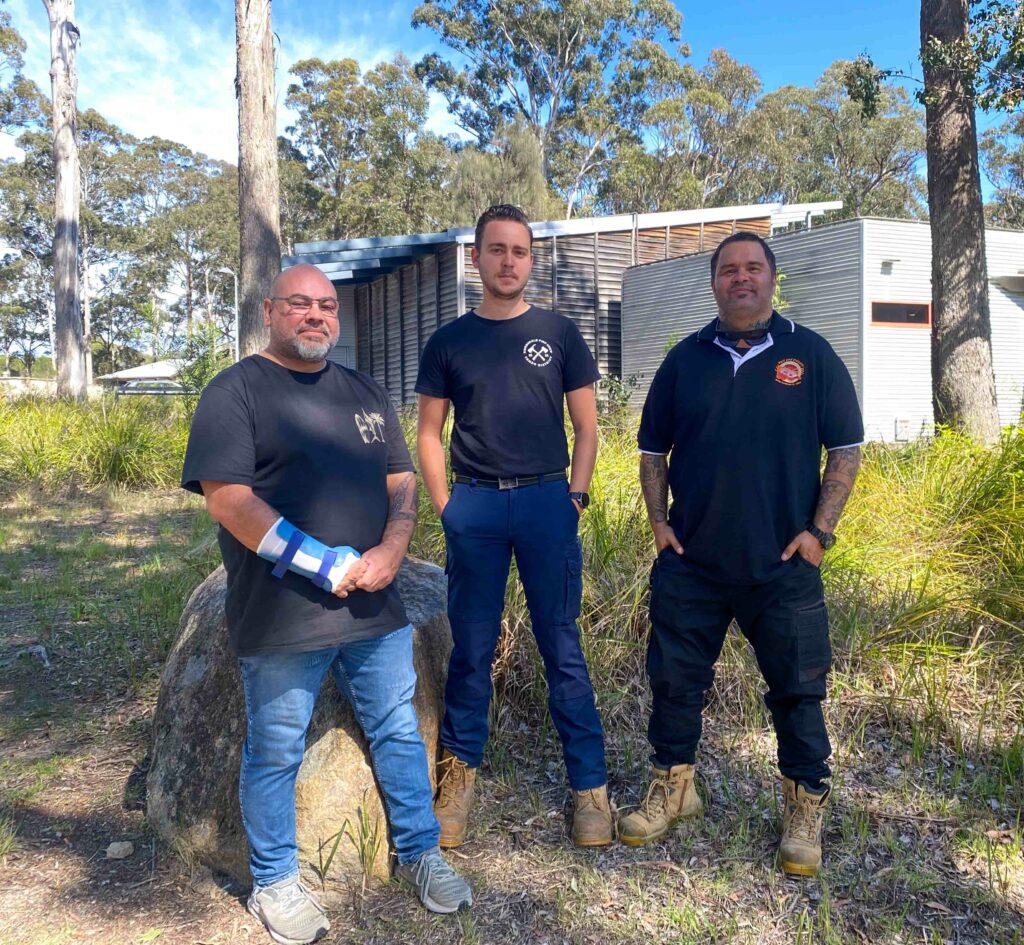
GLaWAC’s Cultural Heritage Site Monitor Ronan Hudson and former GLaWAC Communications team member Shane O’Shanassy, now at Parks Victoria, were also in the group of students.
Cultural Heritage Management involves observing the landscape and interpreting what Cultural artefacts can tell us about the Old People and how they lived.
It is not just about tangible objects. Every individual piece is part of a Cultural Landscape lived in and shaped over thousands of years. When we look at the bigger picture, each artefact helps tell the story of how our Old People moved through Country, what they knew and how they lived in the landscape.
Tya Lovett, Senior Educator in the Department of Archaeology and History at La Trobe University, puts it well. “We live in a cultural landscape, and although we’re finding tangible evidence of our Old People who lived here before us, that’s only one piece of the story. It is really about how each location connects with other sites across the landscape. A site holds even greater significance when we understand it as part of the whole.”
Now in its 17th year, the course has more than 278 graduates. It is delivered by La Trobe University in partnership with First Peoples – State Relations and gives students the skills and knowledge required to work in the Cultural Heritage industry, helping ensure that Registered Aboriginal Parties, land managers and land owners can meet their obligations under the Aboriginal Heritage Act 2006.
As Tya said: “Almost any project, anywhere across Victoria, is likely to uncover Cultural Heritage or impact on Cultural Heritage values. That’s why this course came about.”
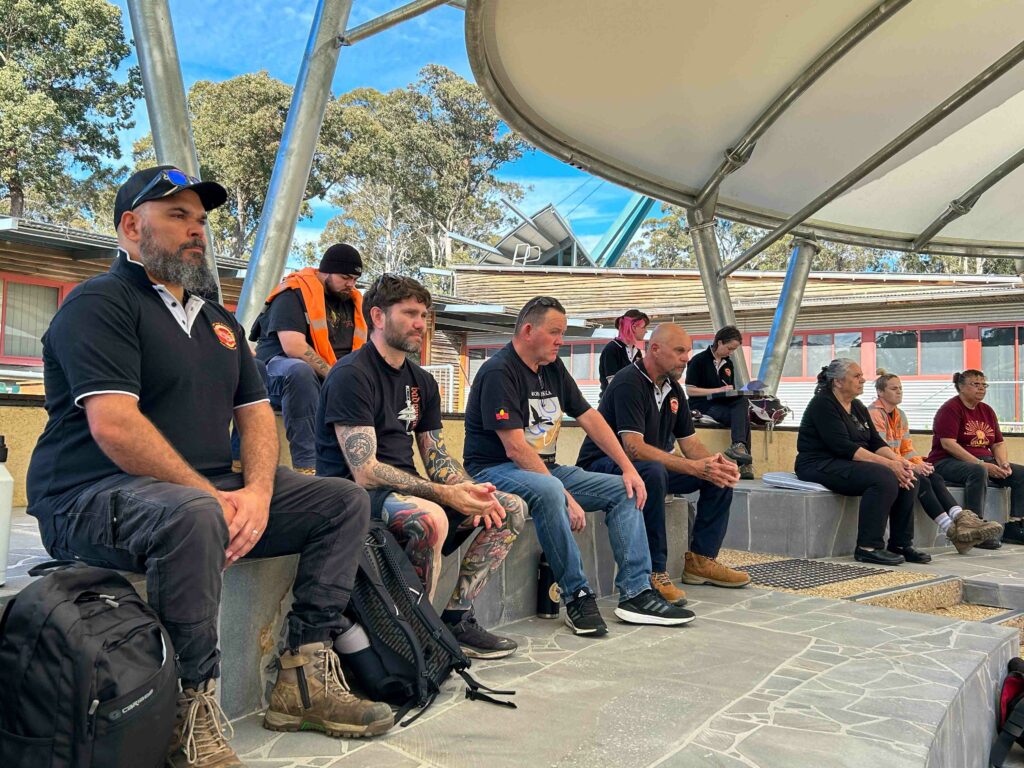
One of its great strengths is the generational mix of students who, this year, are aged from 20 to over 65.
22 of the 23 students this year are Victorian Traditional Owners, and all are currently engaged in Victorian Cultural Heritage management.
“We have the younger generation learning first-hand from Elders who have worked in Cultural Heritage for over 30 years,” explained Tya. “It enriches the learning in a way you simply can’t get from reading.”
The week began with a Welcome to Country and Smoking Ceremony led by Jamie Thomas. “Modern-day systems need science to validate much of what Aboriginal people already knew,” Jamie reflected. “It’s heartening that we’re now seeing science and the mainstream leaning into the knowledge we have.”
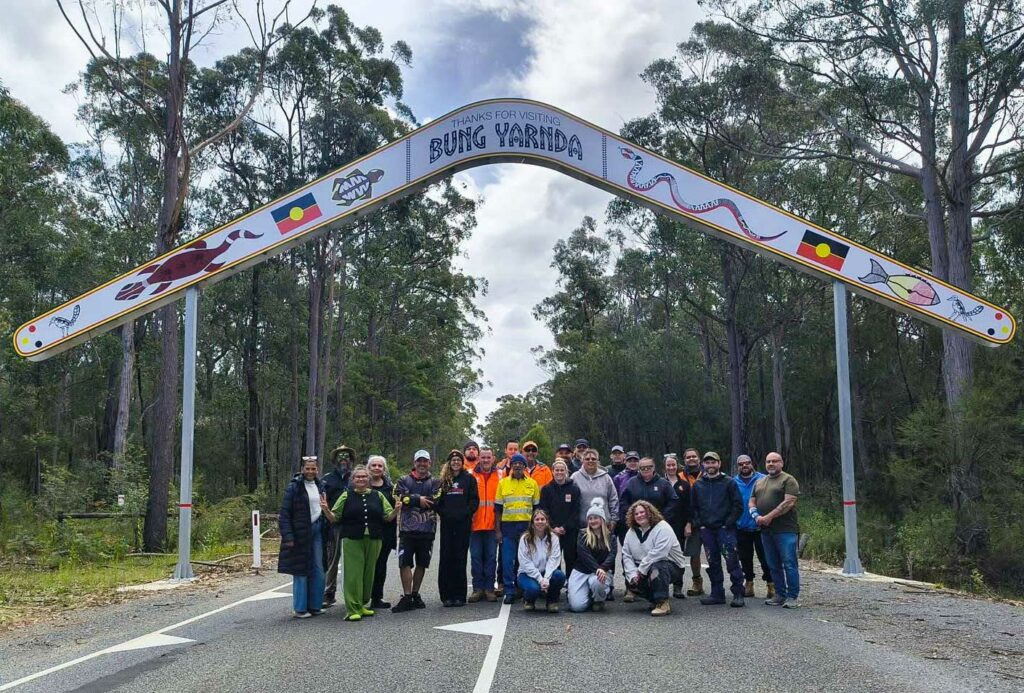
The group visited a number of special places including The Knob Reserve in Stratford, the Keeping Place in Bairnsdale, Red Bluff, Bung Yarnda (Lake Tyers Trust), Lakes Entrance and the Nowa Nowa Gorge lookout – each offering a glimpse of the richness of the Gunaikurnai cultural landscape.
Tya shared a personal moment from his visit. “I called into the Knob Reserve on my way here. It’s been a long time, so I did the loop walk and ended up on a trail down towards the river. The first thing I did was to collect some water from the river and splash it over my arms and legs. I took a sip of water and blew it out again as a way of announcing myself to Country. It was a good way to start my week ahead.”
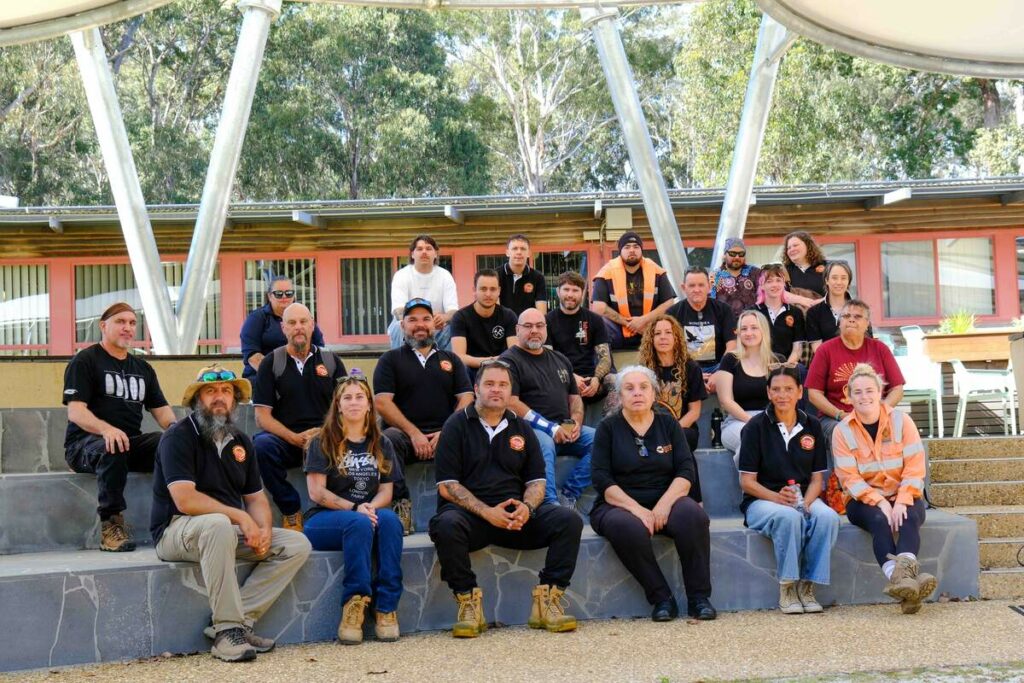
For the GLaWAC staff in the group, learning on their own Country added another dimension to the experience – something Rob summed up simply: “It’s been an amazing experience. There’s always something you can learn.”
A big thank you to La Trobe University staff Tya Lovett, Oona Phillips and Leah Hunt for their knowledge, passion and guidance. We look forward to celebrating everyone’s achievements when they graduate later in the year.
You can learn more about the course here: Certificate IV in Aboriginal Cultural Heritage Management, Department of Archaeology and History, Study with the Department of Archaeology and History, La Trobe University