The Healing Power of Cultural Burning
23 November 2026
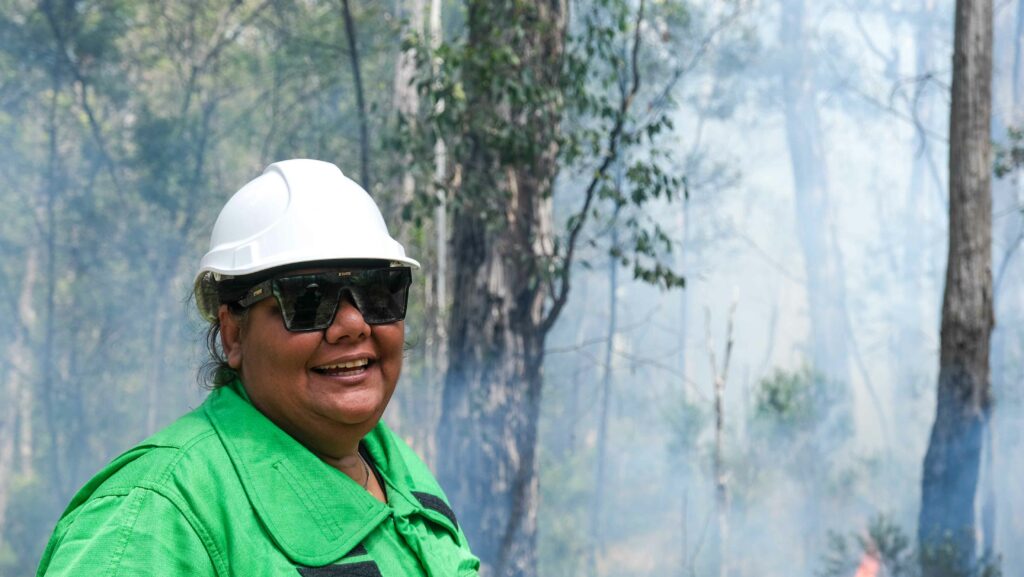
“It’s like a warm cocoa on a winter’s night. It gives me a warm and fuzzy feeling inside – like the Ancestors are hugging you.”
This is how GLaWAC’s Cultural Engagement Officer Heather Hood describes being part of a cultural burn.
“Cultural burning is something that I am passionate about and want to learn more about.”
Which is why Heather, along with rangers Michael Welsh Dalton and Shakiah (Shak) Tungai, recently attended the Good Fire Gathering.
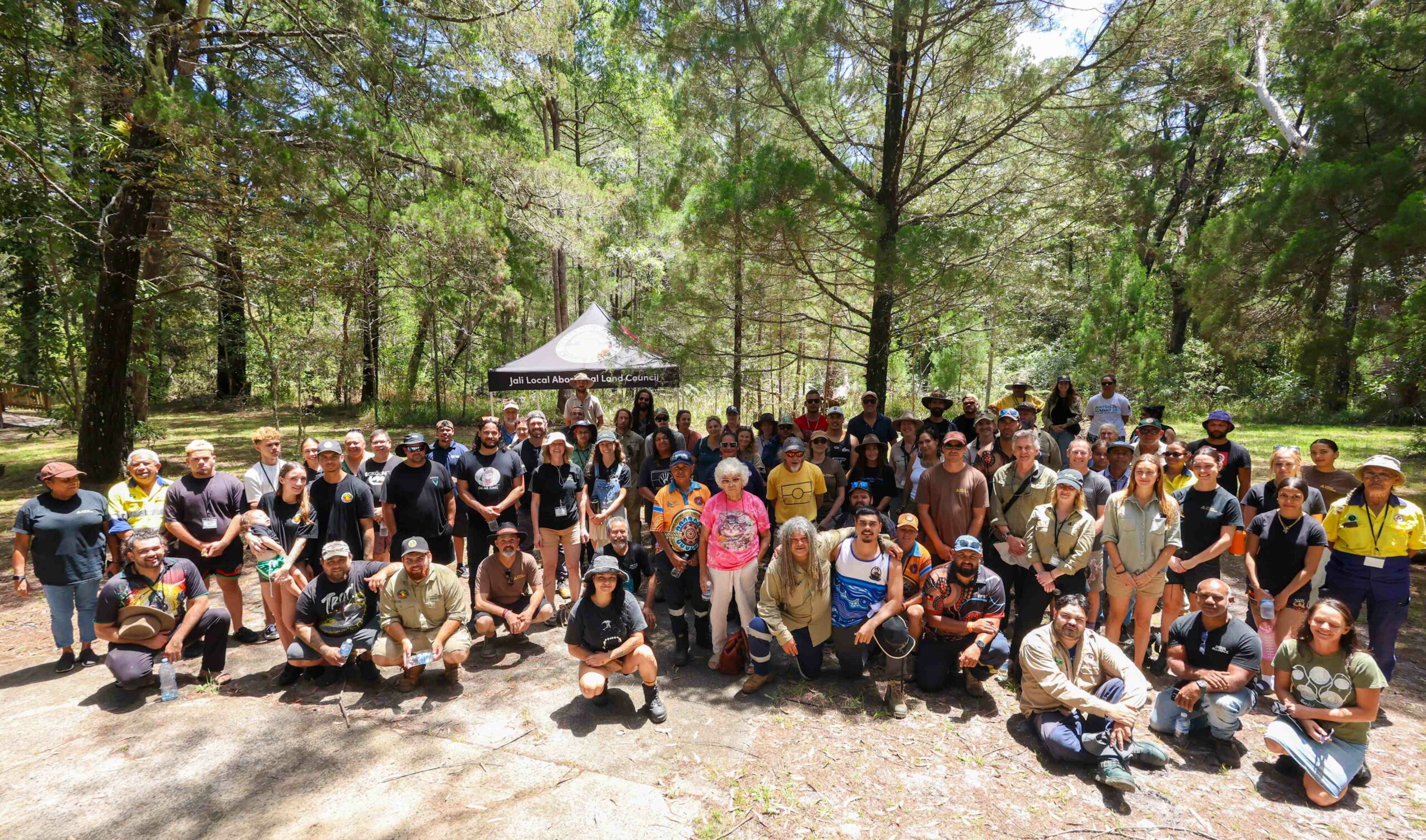
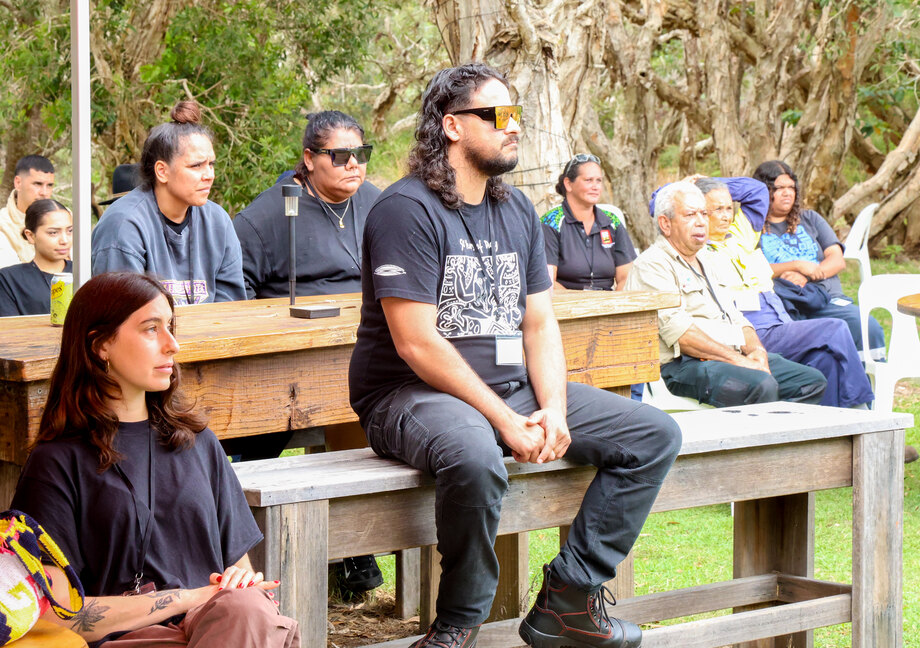
The three day gathering was organised by Jagun Alliance and held on Nyangbul Country as part of Bundjalung Nation (near Ballina, New South Wales). It brought together local mob, rangers and different organisations to share their experiences of cultural burning on Country.
“It was like a big workshop spread over the three days,” Michael recalled. “Different groups talked about what they had been doing, sharing stories and examples.”
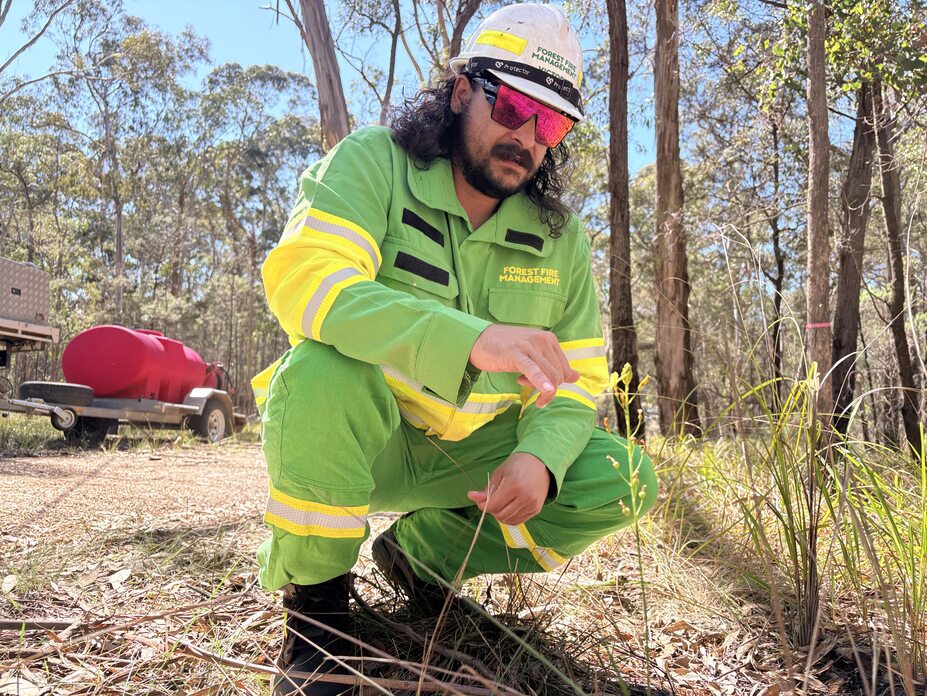
The team visited an Indigenous Protected Area, where a cultural burn had taken place a few months earlier.
“It was great to be able to see success on different Country and in different vegetation types,” said Michael. “It’s very sub-tropical up there.”
In one area, the lower tree canopy meant the crews had to be particularly careful to keep the fire from reaching it, as fire in the canopy is much harder to contain.
While some of the techniques and tools differed, the underlying approach was familiar.
“We use candlebark to carry fire, they don’t have a lot of that, so they use other eucalypt species,” Michael said. “What they do there, and how they do it, is very similar to what we do here.”
Heather particularly appreciated the way Culture and knowledge was shared across generations.
“It was wonderful to have Elders there to hear their stories about that area.”
For Shak, opportunities like this deepen her understanding of cultural burning and its benefits for Country.
“Trees aren’t as affected by cooler burns,” she said. “It gives animals time to get out of the way, and they can come back when they need to. Also, not everything under the soil is getting smashed by the hotter burns. There are seeds under the soil and if the fire is too hot, they can get affected and not grow again.”
“Cultural burns help a lot in caring for Country,” she reflected. “It gives me a great feeling of being a protector.”
“It is important for people to understand the age of this practice – how long Traditional Custodians have been doing this,” added Michael. “I think one thing that GLaWAC and Jagun Alliance and others are trying to do is reframe the perspective on fire itself. A lot of people think of it negatively, like it is destructive. As Traditional Custodians we have used fire as a tool since time immemorial and have a better relationship with it. Used appropriately it does Country a lot of good.”
For Heather, caring for Country through fire is also an act of cultural connection and healing, strengthening the ties between people, Country and Ancestors.
“Culture is something that makes people heal. And cultural learning is also healing,” she said. “It brings the positive stuff back into your life.”