Keeping foxes at bay
10 December 2025
Our Valley NRM Crew is working hard to keep fox numbers down – protecting the creatures that belong here and the places they depend on.
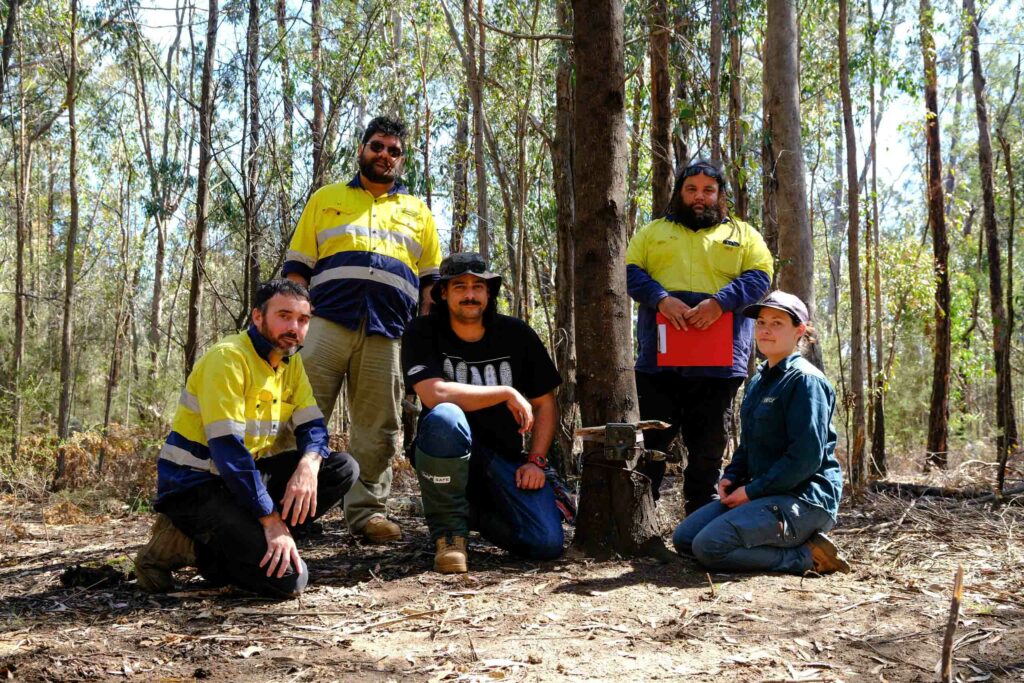
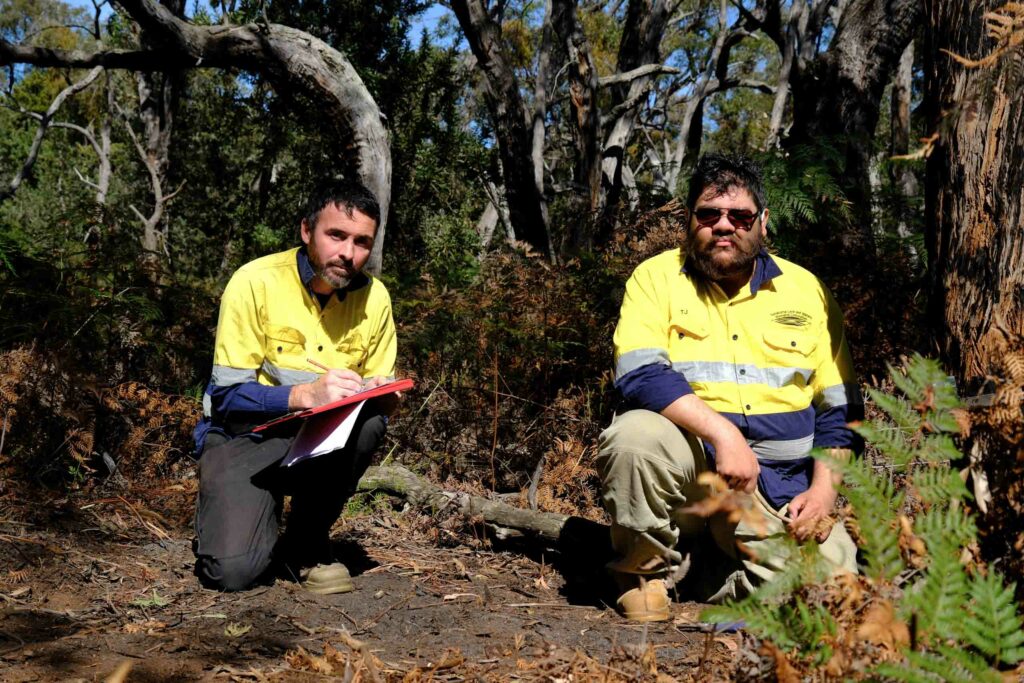
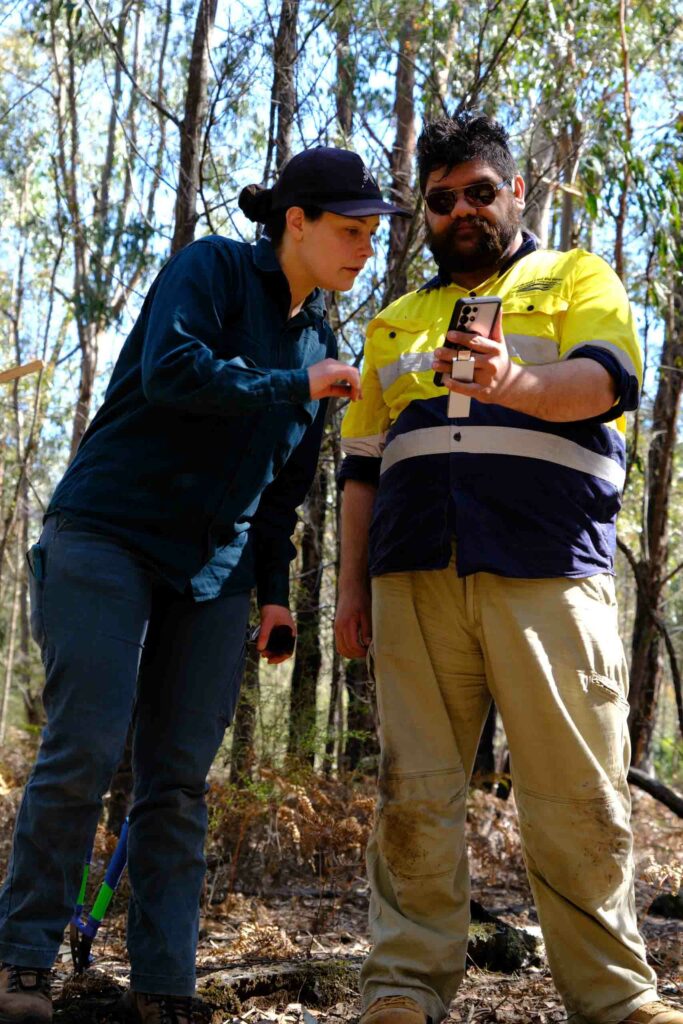
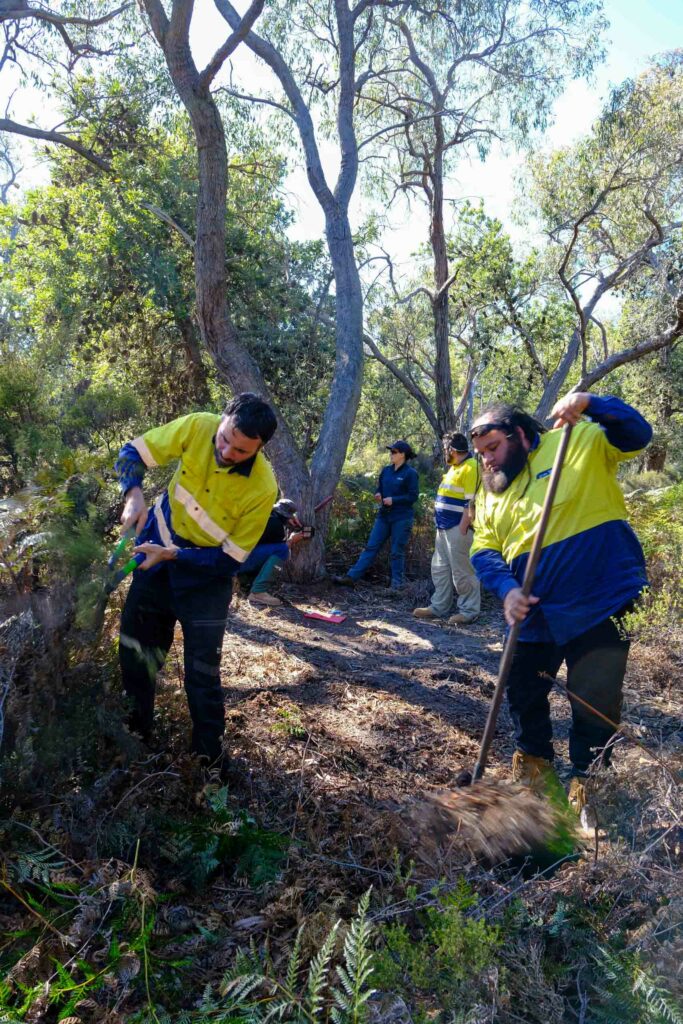
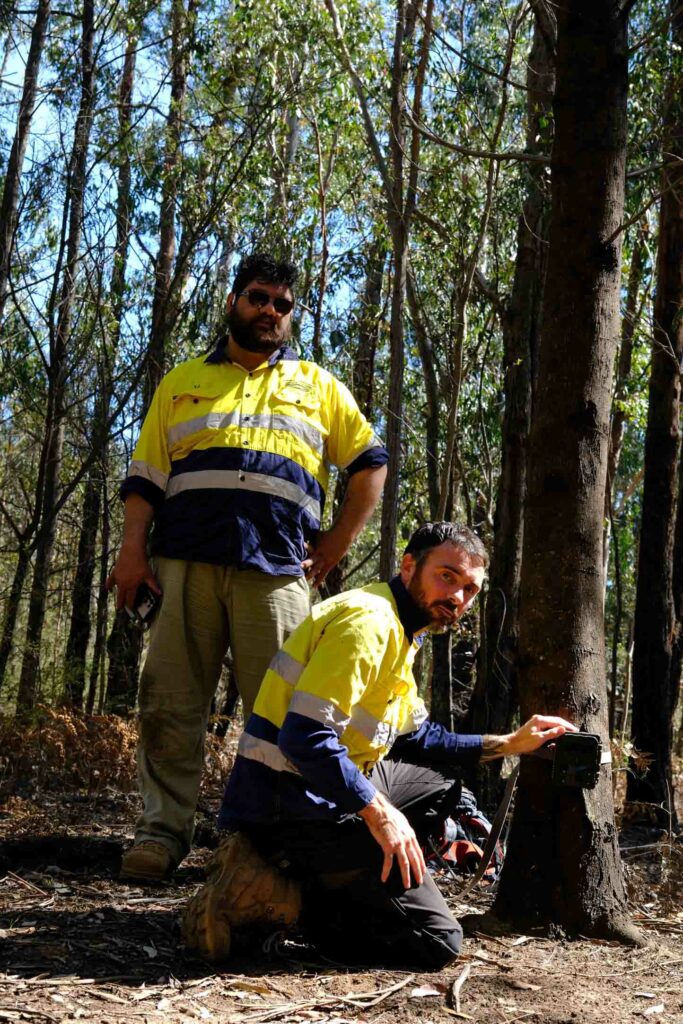
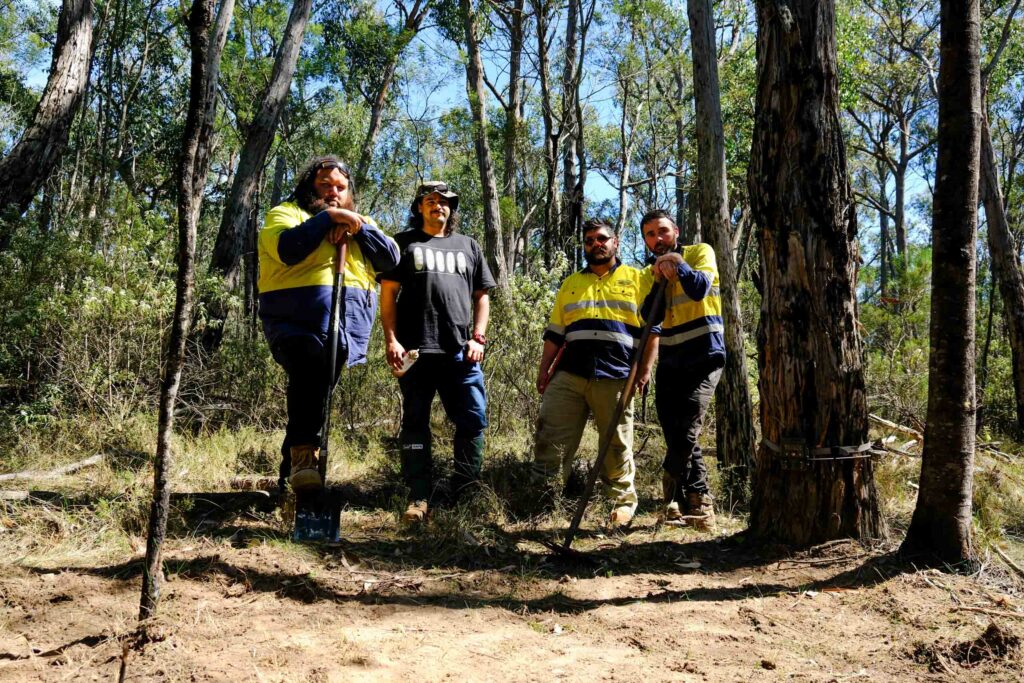
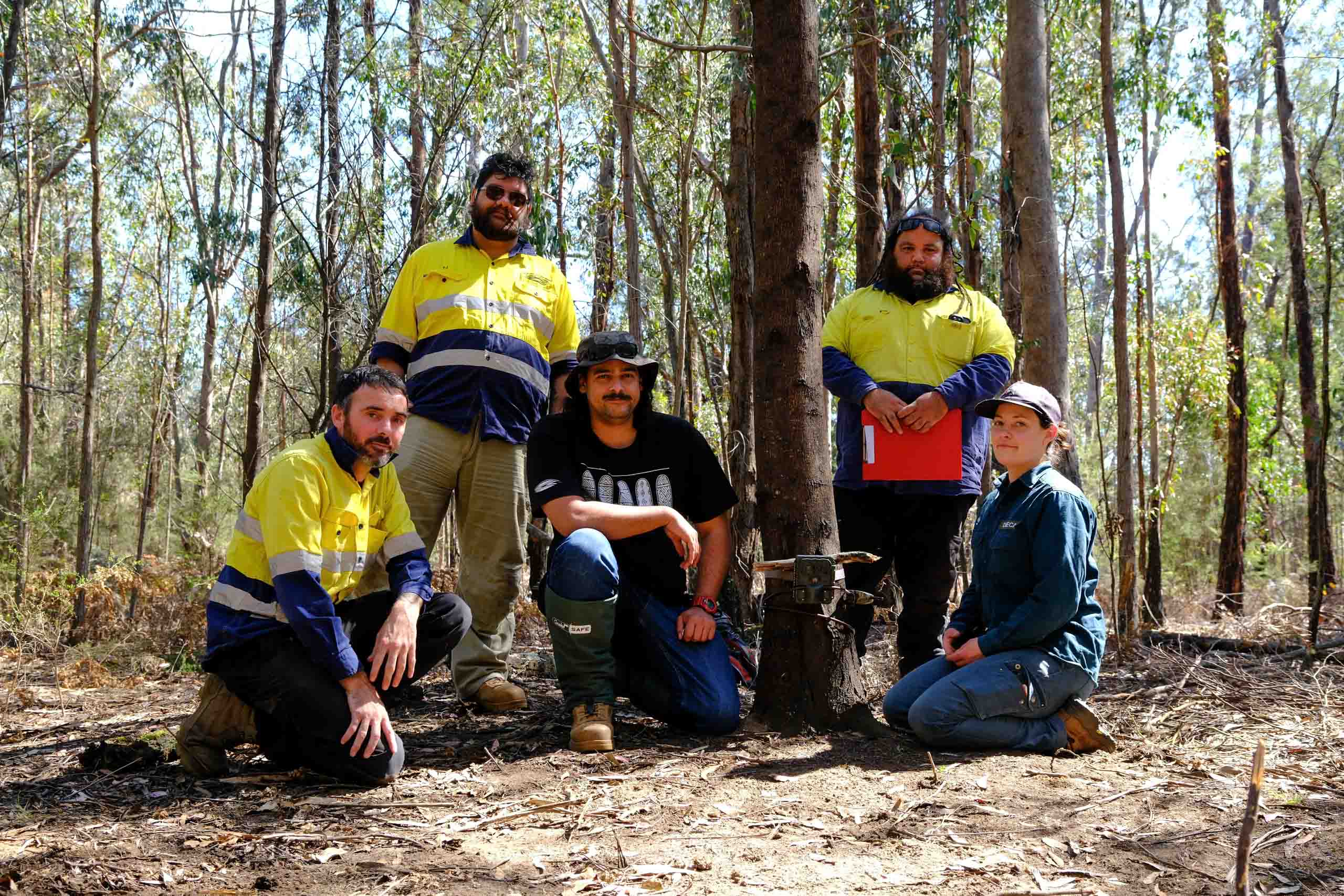
Four team members – Mick, Jake, Michael and TJ – recently joined Grace from DEECA as part of a long-running partnership project. Together they spent the day moving through the tracks and bush they know so well, checking stations and making sure everything is going to plan.
At every point in the process the crew monitor, observe, learn and adapt. Before any station becomes active, it is monitored to see which native (and other) animals are using the area. If a critter that nees a bit of TLC turns up, the station is moved. Once the team think they’ve found the right spot, they set plain, un-baited meat to see what animals are digging it up – and they move the station again if needed. The crew repeat this careful pre-baiting process until they are satisfied it is as safe and effective as possible.
We understand some people have concerns about the use of 1080, we use it because the science clearly shows that Australian native animals have a high tolerance to 1080 – much higher than that of introduced predators. And that’s why the continual monitoring – before and after baiting – is the crucial to the process.
Once a site is ready, the bait is buried 20 centimetres deep and made a little more tempting with a dribble of fish oil down the marker stick. It’s a simple trick that helps draw curious foxes in and leads their sniffing snouts straight to the bait. Small details make a big difference.
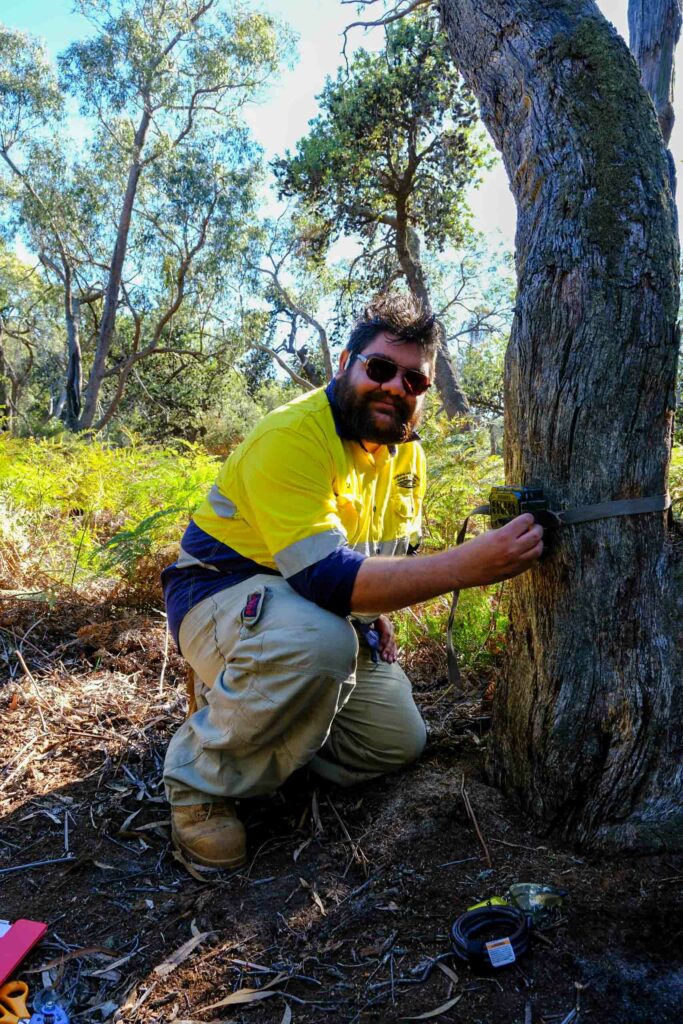
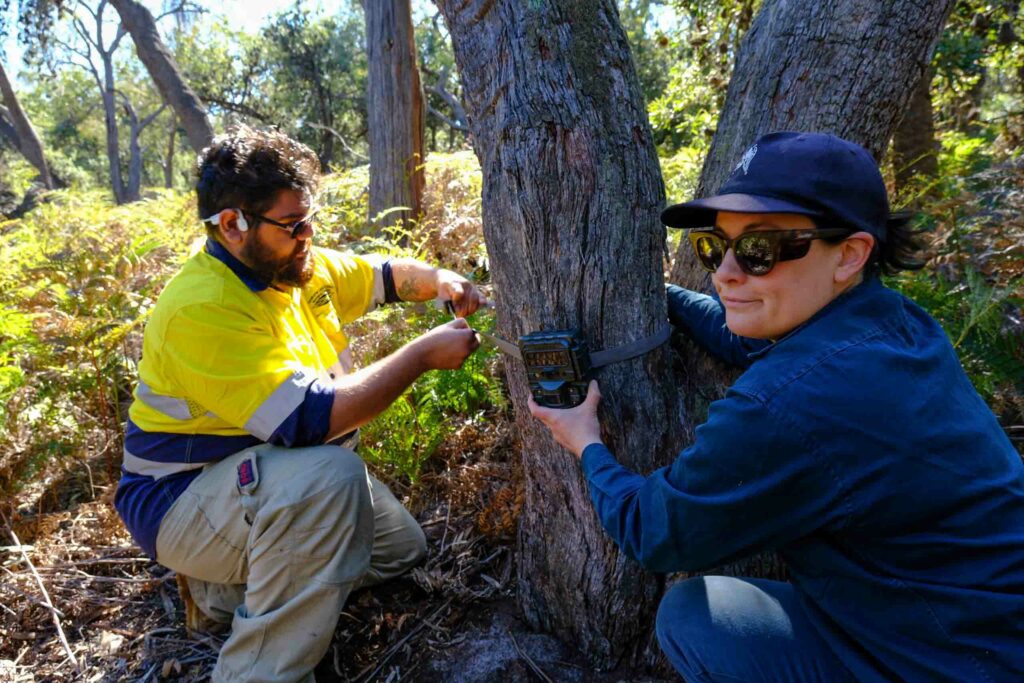
Along the way, the team tend to the monitoring cameras – choosing the right angle, clearing vegetation from sensors, swapping out batteries and reviewing the images since the last visit.
This program has now been running for more than a year. It started in Holey Plains State Forest before expanding to Mullungdung State Forest. Once that was running smoothly, the team moved on to establish it in Won Wron State Forest.
As Crew Leader Mick Welsh Dalton noted, “Every forest has its own challenges. Because it’s such a large project, and a first for our team, we started off small scale. Once we got used to the processes and got to know the forest intimately, we expanded our area over about six months. We’re at maximum now with 400 active stations.”
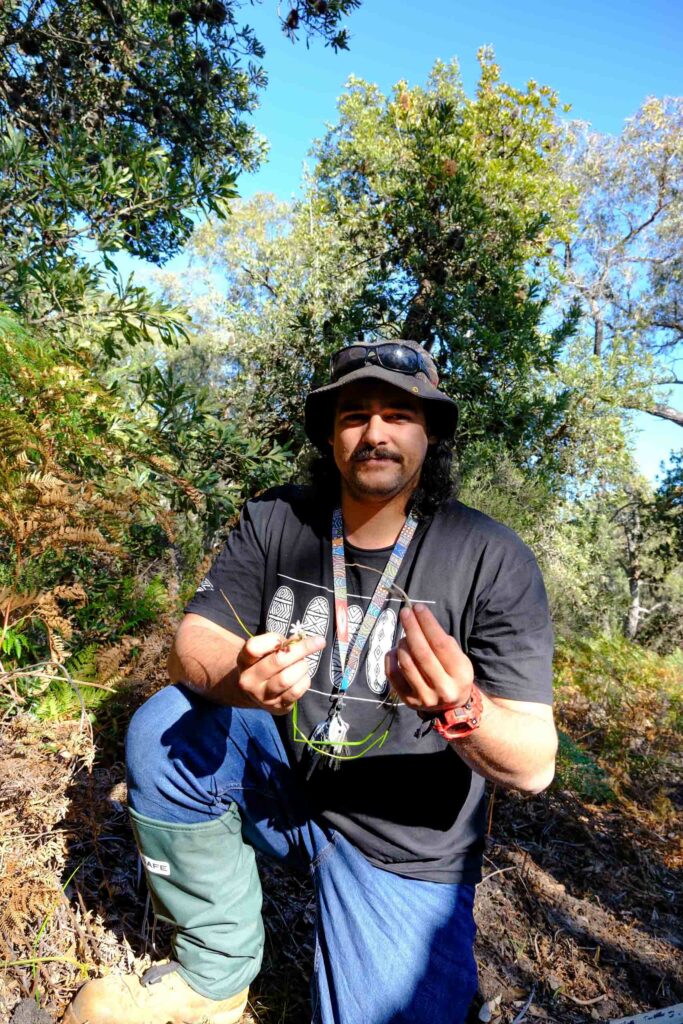
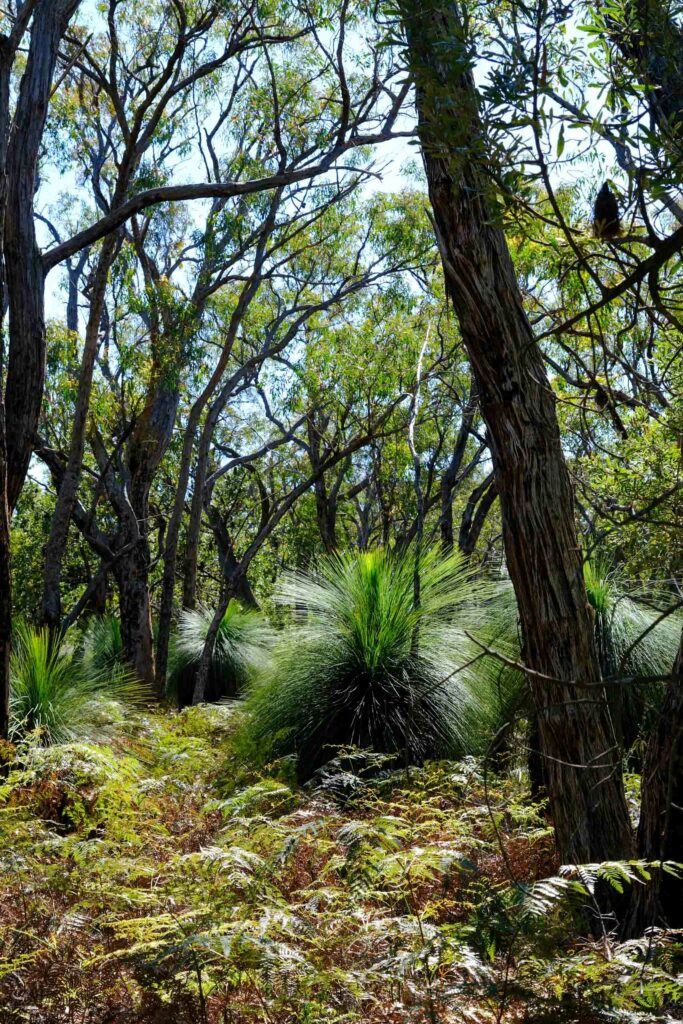
The team visit all these stations regularly, and every time is another opportunity to read Country and build knowledge – to notice what is changing, where it’s healing and where it might need a helping hand. There’s always something to yarn about. Early in the day, Mick spotted a Milkmaid tuber and shared a bit about its story as bush tucker and what it tells us about the health of the landscape. It’s a reminder that Country is always speaking if you’re paying attention.
So – is this program making a difference? And how can we tell?
“Well, it depends on how you want to measure it,” Mick said. “When we started, it was eerie how silent it was out here – there was no birdsong. Now we’ve noticed that the bird life has come back. The forest is singing again.”
“We’ve also heard about anecdotal evidence from the locals that the emu population has ‘exploded’. That is such a great sign.”
Over time the crew has observed an increase in rabbit numbers – more digs, more sightings and they’ve been popping up on camera. While that’s not a good thing in itself, it likely means other small mammal populations are also bouncing back with less predation pressure.
“And at the end of a baiting pulse (about 4 – 6 weeks after fresh meat gets swapped for poison baits), we see a drastic drop in bait-takes at the station, indicating that the foxes aren’t around that station anymore.”
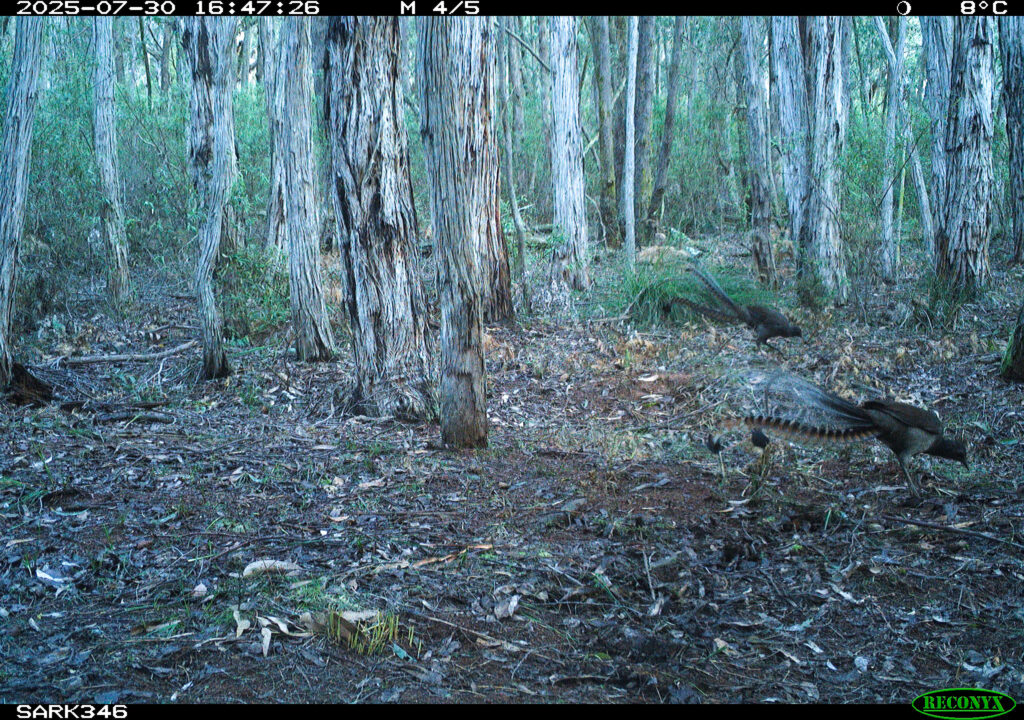
Meanwhile, the camera data tells its own story of recovery. Check out the pair of lyrebirds captured on camera recently!
This work calls for methodical planning, patience, a solid understanding of Country, hard work on the tools, and long hours checking data – but it’s a vital part of keeping balance on Country.